

Organisations operating in complex environments face a range of security challenges that extend well beyond conventional physical security concerns. Armed conflict, organised crime, political instability, kidnap risk, medical emergencies, infrastructure limitations and environmental hazards can all affect operational continuity and personnel safety. Hostile environment security is the structured approach used to assess, manage and mitigate those risks.
The term covers a broad spectrum of operational environments. It applies not only to active conflict zones, but also to regions where weak infrastructure, civil unrest, criminal activity or limited emergency response capability create elevated operational risk.
What Counts as a Hostile Environment?
A hostile environment can take many forms. In some cases, it refers to areas affected by armed conflict or insurgent activity. In others, the threat may come from organised crime, intercommunal tensions, political instability, poor infrastructure or limited state capability. The operating environment itself often determines the level and type of security measures required.
Across the Horn of Africa, operational conditions vary significantly between regions and even between neighbouring cities. Mogadishu, Kismayo and parts of southern Somalia continue to present complex security challenges linked to insurgent activity and instability. Somaliland presents a different operating profile, particularly in cities such as Hargeisa, Berbera and Borama, where relative stability has supported increasing commercial and international activity. At the same time, locations such as Erigavo, Burco and Las Anod can present different logistical and operational considerations depending on prevailing security conditions, infrastructure access and local dynamics.
Key Components of Hostile Environment Security
Effective hostile environment security begins with structured threat assessment and security risk management. Organisations need a clear understanding of the political, criminal, environmental and operational risks associated with a specific region before deploying personnel or assets. This process informs operational planning, movement protocols and contingency arrangements.
Protective measures vary according to the environment and operational profile. Some organisations may require close protection support, secure transportation or armed security personnel for higher-risk movements and deployments. Others may place greater emphasis on secure accommodation, journey management procedures, communications systems and incident escalation protocols.
Medical support also forms a critical part of hostile environment security planning. In remote or austere environments, delayed emergency response capability can significantly increase operational risk. Many organisations integrate medical contingency planning, emergency response capability and evacuation procedures into their wider security framework.
Operational monitoring and intelligence support run alongside physical security measures. Reliable communications, movement tracking and ongoing intelligence analysis help organisations adapt to changing operating conditions and emerging threats in real time.
The Role of Training
Training plays a central role in preparing personnel to operate safely and effectively in hostile environments. Even well-structured security arrangements can be undermined if personnel lack situational awareness or fail to understand local operating conditions and security protocols.
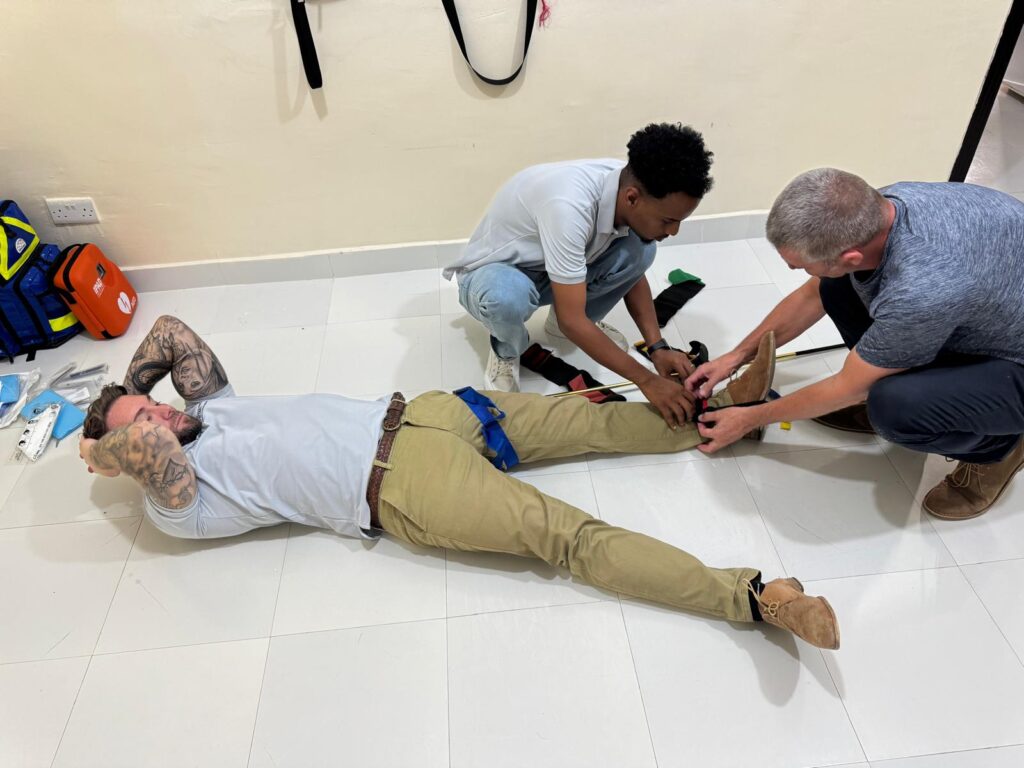
Hostile Environment Awareness Training (HEAT) is commonly used to prepare staff for deployment into elevated-risk areas. Training may include situational awareness, incident response, personal security measures, communications procedures and emergency medical response in austere environments. Pre-deployment briefings also help personnel understand local political dynamics, cultural considerations and operational restrictions before entering a region.
Risk Consultancy Global operates as a Highfield-approved training centre delivering internationally recognised qualifications in security and operational disciplines. In hostile environments, the practical value of training is often measured by preparedness, decision-making and the ability to respond effectively under pressure.
Operating in Somaliland and the Horn of Africa
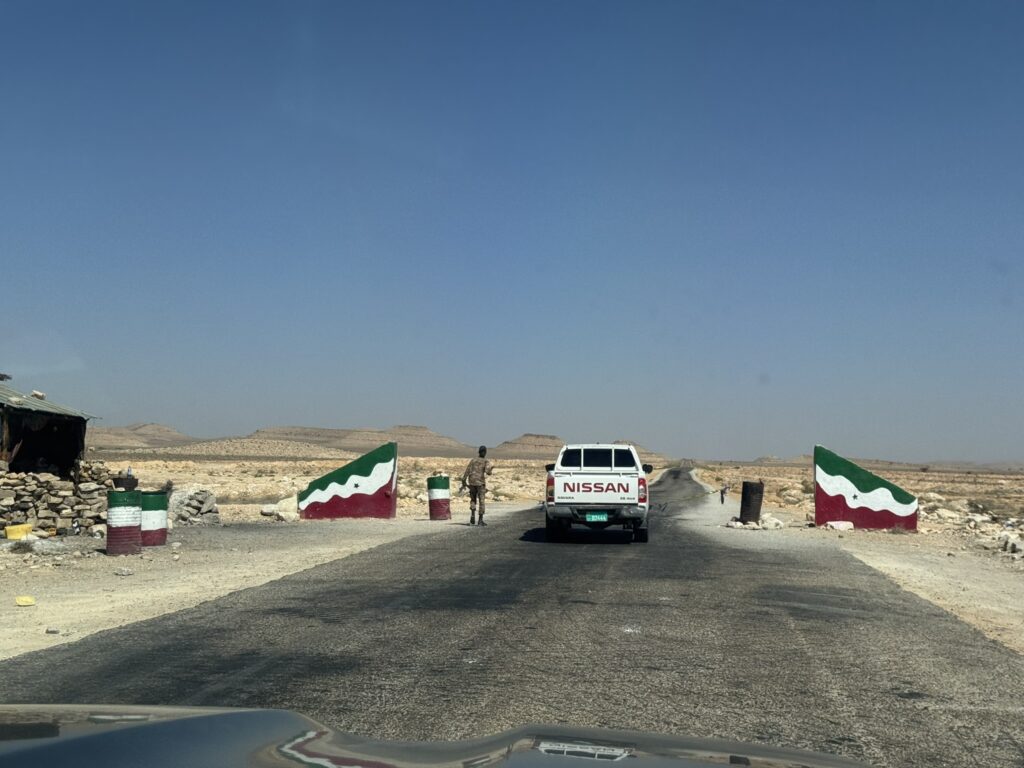
Operating across Somaliland and the wider Horn of Africa requires an understanding of how security conditions differ across jurisdictions, regions and transport corridors. Somaliland maintains a distinct political and security profile compared to southern Somalia, with Hargeisa functioning as a relatively stable operational hub for NGOs, international organisations and commercial operators. Berbera has also become increasingly important due to ongoing infrastructure and port development.
That said, operational conditions can still vary considerably across Somaliland itself. Remote areas, border regions and infrastructure limitations can create logistical and security challenges that require local knowledge and established operational networks. Locations such as Erigavo, Burco and Las Anod each present different considerations linked to accessibility, communications infrastructure, local dynamics and security posture.
Across Somalia, operating conditions are generally more complex. Mogadishu, Kismayo, Garowe and Bosaso continue to require higher levels of security planning, movement control and contingency support due to the broader threat environment. Organisations operating across multiple jurisdictions in the region often require integrated security, logistical and intelligence support rather than isolated standalone measures.
Choosing the Right Security Partner
Selecting a security provider for hostile environment operations requires more than reviewing a service list. Organisations should assess whether the provider has verifiable operational experience within the specific region they intend to operate in, rather than relying solely on remote advisory capability or subcontracted support arrangements.
International standards alignment is also important. Compliance with frameworks such as ISO 18788, ISO 9001 and PSC.1 demonstrates that operational procedures, governance and service delivery are structured around recognised standards rather than informal practices. Equally important is the ability to provide integrated support across security, risk management, operational planning, intelligence and emergency response functions.
Local presence and operational familiarity remain critical factors. Security planning that works effectively in one part of East Africa may not be appropriate in another. Understanding local operating dynamics, infrastructure limitations and regional threat patterns often determines whether security measures remain practical and sustainable in the field.
Hostile environment security is not a single service or standalone capability. It is a structured operational framework that combines security planning, risk management, intelligence, training and emergency response to support organisations operating in complex environments. Risk Consultancy Global provides integrated security and operational support services across Somaliland, Somalia and the wider Horn of Africa region.