

Berbera is changing. What was once viewed primarily as Somaliland’s principal seaport is becoming a more significant logistics and trade gateway for the wider Horn of Africa. Investment in port infrastructure, improved road connectivity towards Ethiopia and growing international commercial interest are increasing the movement of cargo, personnel and equipment through the region.
For organisations considering operations in Berbera, those developments create opportunity. They also change the security picture. As commercial activity expands, so does the operational footprint that requires protection: more vehicles on the corridor, more international personnel arriving and more critical assets concentrated around the port and supporting infrastructure. Security planning therefore becomes part of operational planning rather than something introduced after a project has begun.
A Port, and a Region, in Transition
DP World assumed management of Berbera’s container terminal in 2017 under a long-term concession and committed up to US$442 million to develop and expand the port. The first phase added a 400-metre quay and increased container capacity from 100,000 to 500,000 TEU a year. The effect is now visible in operating volumes. Somaliland Ports Authority director Ali Diriye Ahmed said port traffic increased by approximately 30% between 2023 and 2025.
The investment structure also has a significant British connection. British International Investment became a shareholder in early 2022 through its ports partnership with DP World. Current investment material describes DP World and BII as jointly holding 65% of the port company, alongside a 35% Government of Somaliland holding. An Ethiopian logistics masterplan places BII’s interest at approximately 6% within the DP World shareholding. BII itself is wholly owned by the UK’s Foreign, Commonwealth & Development Office, although its investment decisions are made independently of government.
The port is only one part of the wider development. The Berbera Corridor connects the coast through Hargeisa towards Ethiopia at Tog Wajaale, giving landlocked Ethiopia another potential maritime route. A further trade arrangement with Ethiopia remains under negotiation. If concluded, the Somaliland Ports Authority estimates that it could increase traffic through Berbera by another 80%.
That scale of potential growth matters beyond shipping. Logistics providers, construction companies, humanitarian organisations, engineering contractors and energy businesses are assessing opportunities around Berbera and the wider corridor. Some will be operating in Somaliland for the first time.
Growth Changes the Security Picture
Infrastructure investment does not reduce operational risk by itself. A larger port handles more cargo, supports more contractors and generates more vehicle movements. Commercial development extends beyond the terminal into warehouses, accommodation, fuel facilities, construction sites and the Berbera Economic Zone. Each brings its own requirements.
New entrants may have considerable experience operating internationally but limited knowledge of Somaliland. Procedures designed for another country or operating environment cannot simply be transferred unchanged.
There is also the regional context. Berbera sits on the Gulf of Aden close to the Bab al-Mandab Strait, one of the world’s most important maritime routes. Disruption affecting commercial shipping through the Red Sea and Gulf of Aden has kept maritime and regional security high on the agenda for governments, insurers and commercial operators. Those developments do not automatically translate into direct threats within Somaliland, but they increase the importance of current intelligence and security planning based on actual conditions rather than assumptions.
Organisations that build this into their planning early are better placed to adjust as projects develop.
From the Port to the Corridor
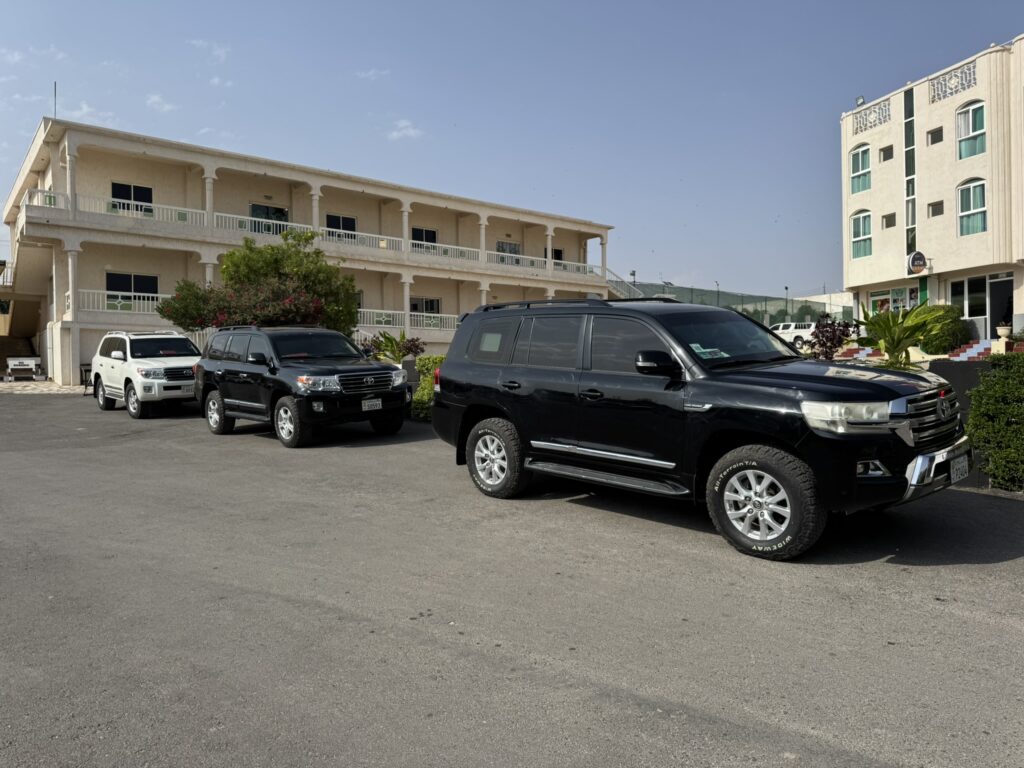
Security planning for Berbera should not stop at the port perimeter. For many organisations, exposure changes once personnel, equipment or cargo move inland. Vehicles may travel between Berbera and Hargeisa or continue towards project sites and the Ethiopian border. Staff may move between hotels, offices, government facilities, client locations and operational compounds.
Route selection, movement timings, communications procedures, medical contingency arrangements and vehicle capability therefore form part of the wider security picture. Contractor accommodation, temporary offices and logistics sites may also require separate assessments as projects expand.
The appropriate security posture will vary. A humanitarian programme does not have the same operating profile as an engineering contractor, energy company or diplomatic mission. Effective planning starts with the organisation’s actual activity rather than applying a standard template.
Local conditions matter here also. Infrastructure works, public gatherings, changes to road access or developments along a particular route may be manageable for operators familiar with the area but disruptive for a newly arrived organisation. Accurate local information allows movements and procedures to be adjusted before those issues affect operations.
Planning Ahead in a Fast-Moving Environment
Security should be considered while a project is being planned, not after contracts are signed or personnel have deployed. A structured threat and risk assessment provides the starting point. From there, an organisation can determine what measures are proportionate to its activity, whether that means journey management, static security, close protection, medical response capability, client tracking or wider risk management support.
The strongest arrangements also connect these functions. Security, logistics, communications, intelligence and emergency response rarely operate independently when something goes wrong. Decisions affecting one can quickly affect the others. Treating them as part of the same operating plan gives management a clearer picture and makes it easier to respond when circumstances change.
For organisations entering Somaliland for the first time, practical local experience can be as important as technical capability. Knowledge of routes, operating conditions, local relationships and emerging developments affects decisions throughout the life of a project.
Berbera’s development is expected to continue. Investment in infrastructure and regional trade links is creating new commercial opportunities across Somaliland while increasing the scale and complexity of the operations supporting them. That makes structured security planning more important, not less.
For organisations operating in Berbera and across Somaliland, the objective is not to eliminate risk. It is to understand it, plan for it and manage it in a way that allows operations to continue safely and effectively. Risk Consultancy Global supports that approach through an established security services in Berbera Somaliland, combining security, intelligence, consultancy and risk management services with local knowledge developed through sustained in-country operations.